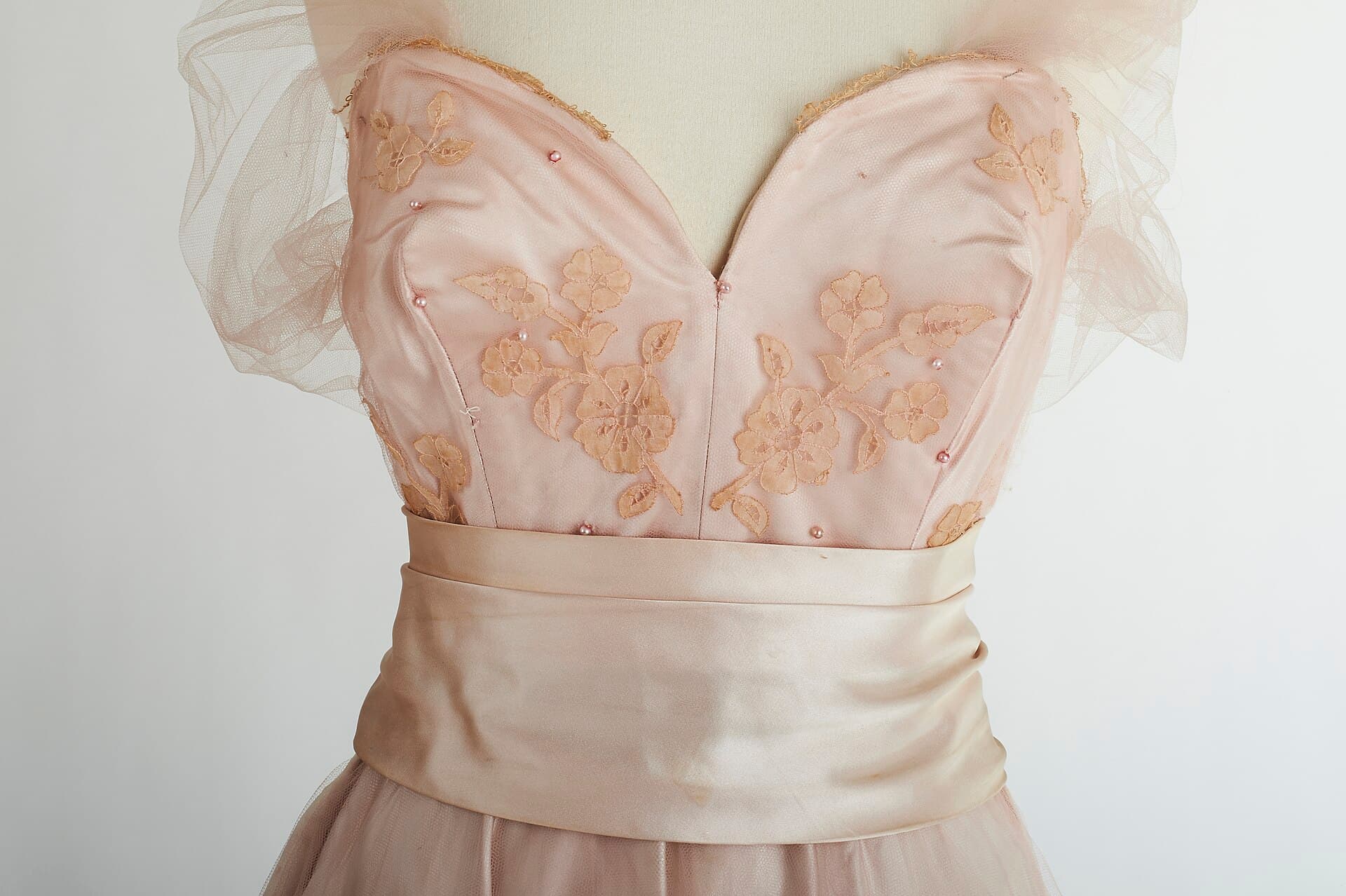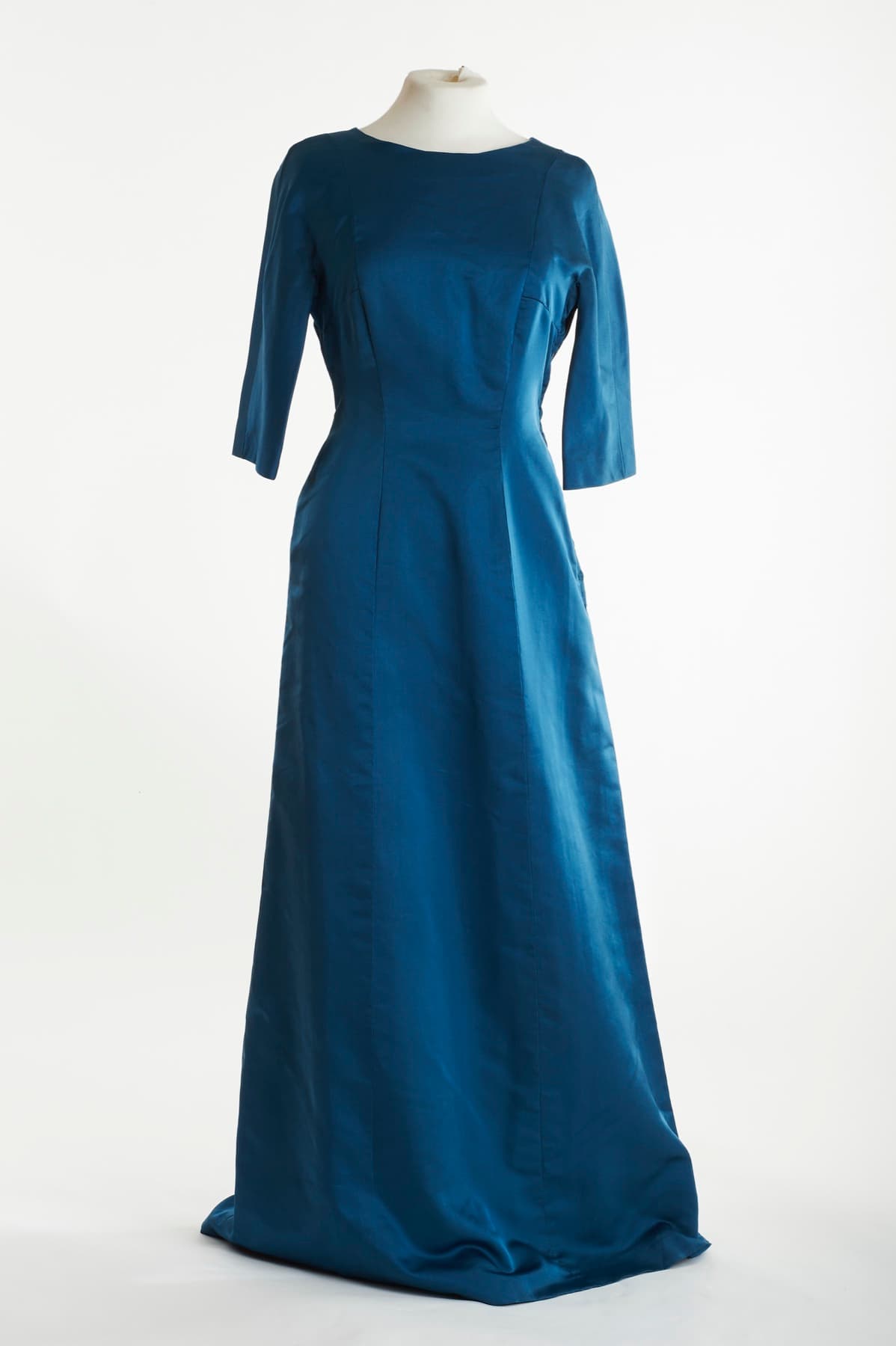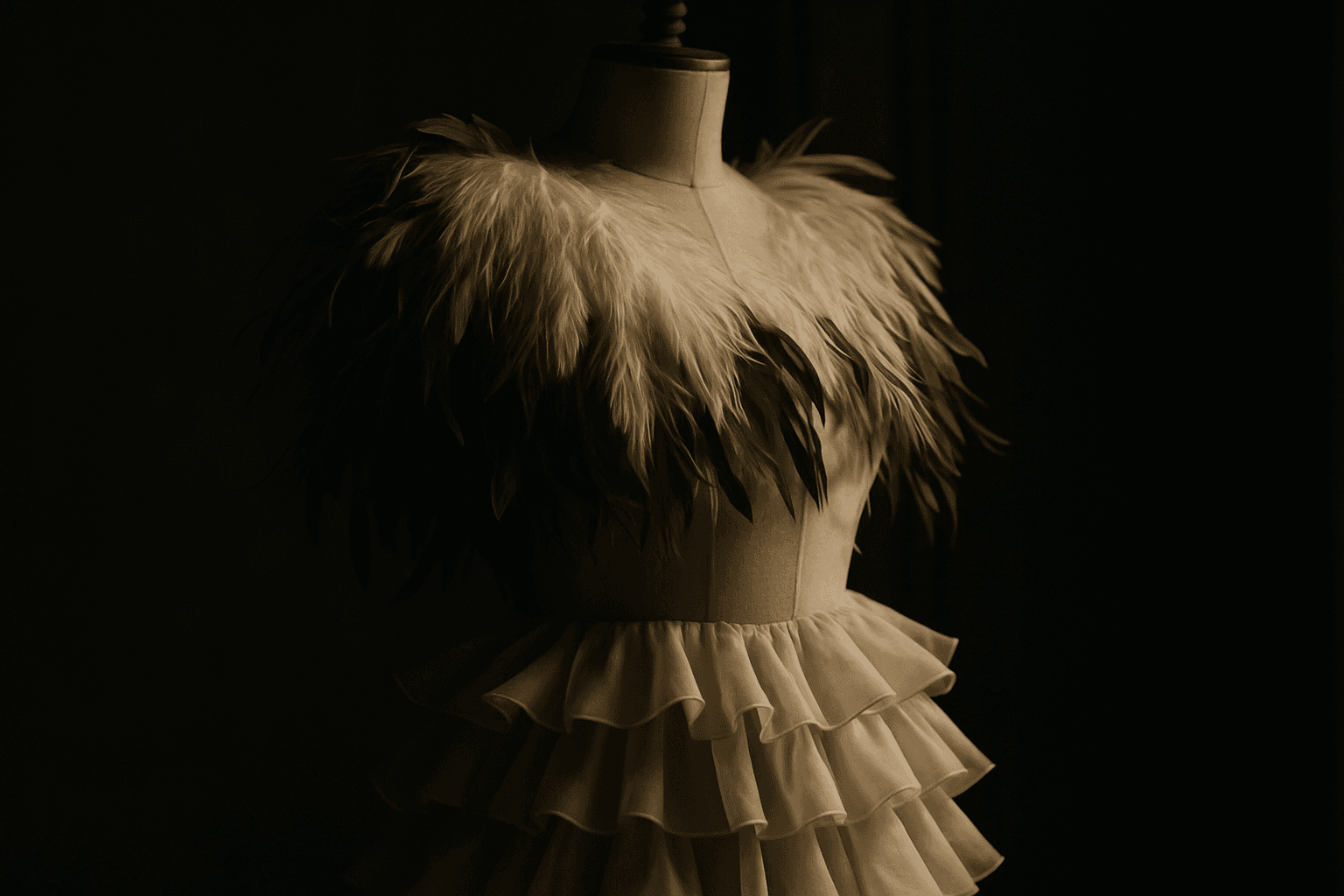
Pierpaolo Piccioli presented his first haute couture collection for Balenciaga during the Fall/Winter 2026-27 week in Paris, working in voluminous ruffled gowns and looks constructed entirely from feathers.
Anyone who followed his sixteen years at Valentino, the last eight of them as sole creative director, will recognise the register immediately: volume, saturated colour, romance treated as a serious formal problem rather than a decorative one, and an interest in the gown as architecture.
Anyone who followed Balenciaga for the previous decade will recognise none of it.
The appointment was always the argument
Balenciaga under Demna became one of the most legible brand identities in fashion: irony, scale distortion, streetwear vocabulary treated with couture technique, a deliberate refusal of prettiness. It was commercially enormous and culturally inescapable. When Demna left for Gucci in July 2025, the open question was whether Kering would look for a continuation of that or a break from it.
Appointing Piccioli was a break, and it is a coherent one if you go back past the last ten years. Cristóbal Balenciaga's own work was about volume and construction. The severity that the house is now associated with is a recent layer, not a foundation. A designer arriving with feathers and ruffles is closer to the archive than a designer arriving with hoodies, however strange that reads in 2026.
The risk is on the other side of the ledger. The customer Balenciaga actually acquired over the last decade came for the irony, and that customer has no particular reason to want a couture gown.
Why the debut came in couture
Piccioli's first statement for the house arrived in the July couture week rather than in a ready-to-wear season, and that sequencing is a decision worth noticing.
Couture is the safest place to make an unmistakable break. The client base is tiny, almost nothing is produced at scale, and the commercial exposure of a collection that does not land is close to nil. What it does deliver is a single set of images that tells the industry what the house is now going to be, at a fraction of the cost of finding out through wholesale.
Feathers photograph. That is not a criticism. A designer establishing a new register for a house with one of the strongest existing identities in luxury needs the images to be unarguable at thumbnail size, and a look built entirely of feathers is unarguable at any size. We saw the same logic across the whole week, where reviewers noted a general appetite for sculptural silhouettes and unfamiliar materials.
What it costs Kering to find out
Kering has spent this cycle in a harder position than LVMH. Its first positive quarter in three years arrived in mid-2026, with Gucci still at -2% after -19% across 2025. Balenciaga was one of the group's few genuinely healthy brands through that period, built on the identity the group has now chosen to move away from.
That is a real bet, and it is the opposite of the one it looks like. The conservative move would have been to hire a continuation and protect the revenue. Hiring a designer whose entire body of work argues for something else is the aggressive option, made by a group that could least afford a wrong answer.
The couture debut cannot tell us whether it was right. Ready-to-wear will, and the first honest read comes when the commercial collections start reaching wholesale after the September shows.
Collection details as reported from the July 2026 couture week; this assessment is made from runway imagery and published reporting rather than from the room. Appointment and group financial context per Kering's published results and contemporaneous trade coverage.