The Fédération de la Haute Couture et de la Mode has published the provisional Spring/Summer 2027 calendar: 68 shows and 33 presentations, running September 28 to October 6, 2026, and closing a fashion month that opens in New York and passes through London and Milan first.
Two debuts anchor it. Drew Henry shows his first collection as artistic director of Courrèges on September 30 at 10.30am. Kai Nesselrath presents his first as design director of Carven on October 1 at 12.30pm.
Who came back
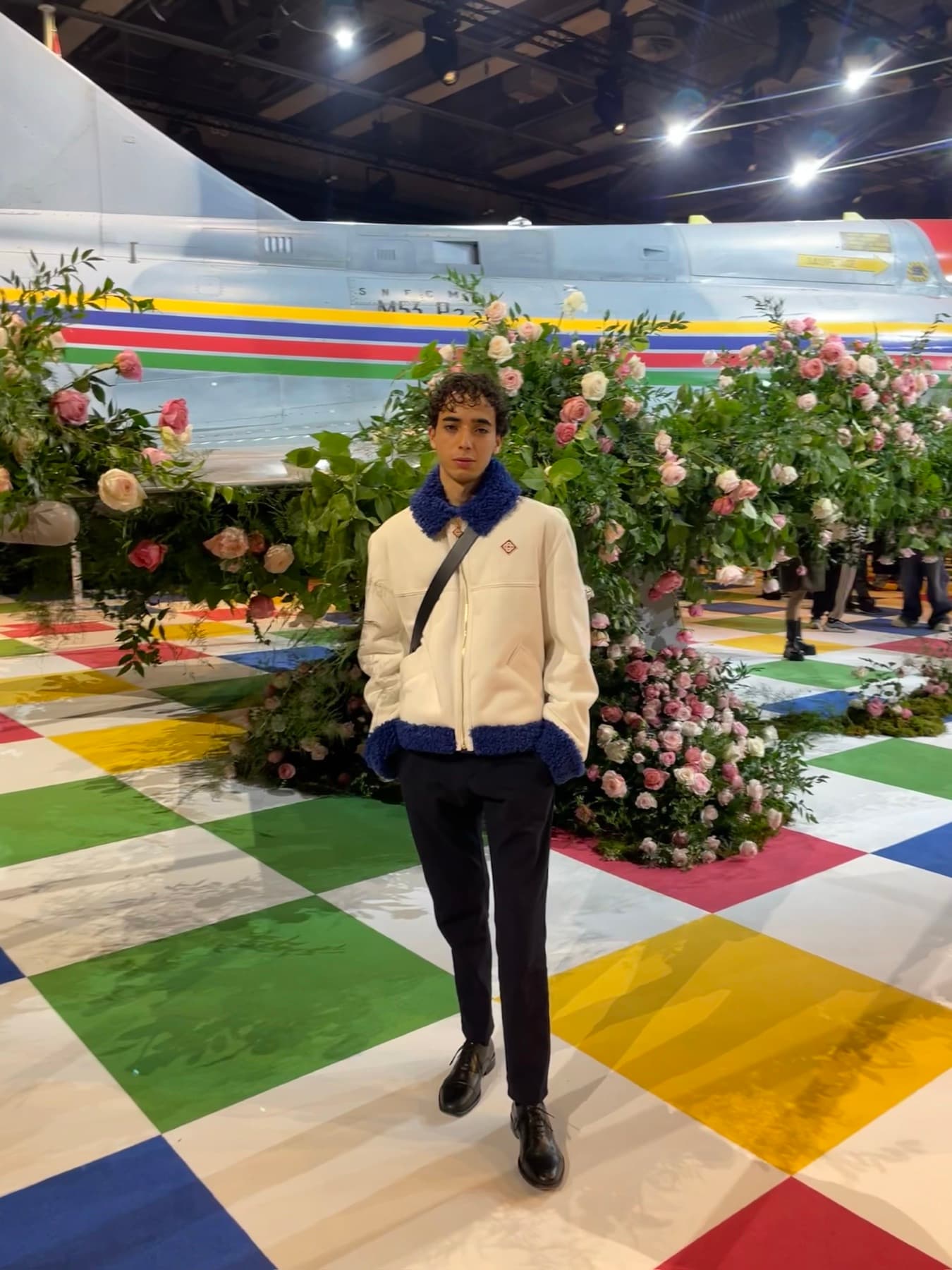
The returns are the more revealing part of the schedule. Valentino, Maison Margiela, Sacai, Ester Manas, Christopher Esber and Casablanca are all back on the calendar after a season or more away.
A house skipping a season is rarely a scheduling problem. It is usually a transition being managed quietly, a wholesale order book that did not justify the cost of a show, or both. Six houses returning in one season is the clearest signal available that the confidence which showed up in the first-half group results has reached the level of the calendar, where a show costs real money and someone has to sign for it.
Who left
Alexander McQueen is showing in London this season rather than Paris. Rabanne is skipping. Nina Ricci and Off-White are also absent.
McQueen's move deserves more attention than an absence normally would, because the traffic on that route has run one way for a decade. British houses have been leaving London for the Paris calendar since the 2010s, on the reasonable logic that the buyers and the press stay in France longer. A house of McQueen's weight going back is the first meaningful counter-example in years, and it gives London something to build a season around.
What the season is actually for
Fashion month has spent eighteen months absorbing the largest set of creative-director changes in modern luxury: Chanel, Dior, Gucci, Balenciaga, Fendi, Bottega Veneta, Celine, Maison Margiela, Versace. We mapped the whole of it in the creative-director reset.
The debuts are done. Almost every major house has now shown a first collection, and several have shown a second or third. That changes what a season is for.
A debut is judged on intent. Everyone grants the new designer a first collection to state a position, and the reviews argue about the position rather than the order book. The season after the debut is judged on something harder: whether buyers wrote against it, whether the shop floor moved, whether the house has a commercial architecture underneath the statement.
That is the question hanging over September. LVMH's fashion and leather goods division posted its first positive quarter in seven, which the group attributed in part to Jonathan Anderson's effect at Dior. Kering posted its first positive quarter in three years while Gucci was still down 2%. Those are early numbers on very large bets.
Three things worth watching
Whether the second collections consolidate or retreat. A debut can be as strange as it likes. A third collection that is still mostly statement, with no visible commercial spine, is a different signal.
Whether the two smaller debuts get seen. Courrèges at 10.30am on a Wednesday and Carven at 12.30pm on a Thursday are working slots, not marquee ones. A mid-size house's debut lives or dies on whether the people who matter are still in the room at that hour, which is a function of the access hierarchy as much as of the clothes.
Whether 68 shows is the right number. Paris is running the largest womenswear schedule of the four cities while London and New York fight over five-day windows. A calendar that keeps growing at one end and thinning at the others is not four fashion weeks. It is one, with three qualifying rounds.
Fashion to See is covering Paris Spring/Summer 2027. Press offices and house communications teams can reach the desk at press@fashiontosee.com. Schedule details are provisional as published by the Fédération de la Haute Couture et de la Mode and reported by Fashionista and L'Officiel; show times and line-ups change.